
I tried selling 23 unused items and discovered why online selling is harder than it should be. Learn the biggest challenges, negotiation mistakes, and how to turn clutter into cash.
A few months ago, I looked around my room and realized something uncomfortable.
I owned a lot of stuff.
An old gaming chair.
Unused headphones.
A study table.
A guitar I hadn’t touched in two years.
A smartwatch sitting in a drawer.
Some books I would probably never read again.
Individually, none of these seemed valuable.
Together?
They represented thousands of rupees that were simply gathering dust.
So I decided to try something simple.
Sell everything I no longer used.
I expected the process to take a week.
I was wrong.
Problem #1: Everyone Wants a Bargain
The first few inquiries came quickly.
The messages were almost identical.
“Last price?”
“Best price?”
“Can you reduce?”
Some buyers offered half the listed amount without even seeing the product.
Others disappeared after days of conversation.
I spent more time negotiating than actually selling.
Problem #2: Too Many Middlemen
In some cases, people wanted to act as intermediaries.
Instead of connecting directly with genuine buyers, the process became layered with unnecessary communication.
The more people involved, the harder it became to close a deal.
Problem #3: Good Items Stay Unsold
This surprised me most.
Many items weren’t overpriced.
They simply weren’t reaching the right audience.
A perfectly functional study table sat unsold for weeks.
Meanwhile, a small accessory sold within hours.
Sometimes selling isn’t about value.
It’s about visibility.
The Hidden Cost of Keeping Unused Things
While waiting for buyers, I realized something.
Unused items don’t just occupy space.
They lock up money.
That old bicycle in the garage.
The phone in your drawer.
The furniture collecting dust.
They’re all assets.
Just inactive ones.
Most people focus on earning more money.
Few think about unlocking money they already own.
Why Selling Things Feels Harder Than It Should
Technology has made shopping easier than ever.
Yet selling remains frustrating.
You often face:
- Endless negotiations
- Lowball offers
- Delayed responses
- Limited visibility
- Communication gaps
The process feels surprisingly inefficient in 2026.
What People Actually Want
After talking to friends, students, young professionals, and even small business owners, the answer was surprisingly simple.
People want:
- Direct conversations
- Fair negotiations
- No unnecessary commissions
- Better visibility
- Faster transactions
Nothing revolutionary.
Just a smoother way to connect buyers and sellers.
The Rise of Negotiation-Based Commerce
One interesting trend is emerging among Gen Z and younger consumers.
People increasingly want control over pricing.
Instead of fixed-price listings, many buyers and sellers prefer direct negotiation.
It feels more transparent.
More human.
More flexible.
Especially during a time when everyone is trying to stretch their money further.
The Bigger Lesson
I eventually sold most of the 23 items.
But the experience changed how I think about ownership.
Now, when I buy something, I ask myself:
“Could I sell this easily if I needed to?”
Because every purchase has two prices:
The price you pay today.
And the price you can recover tomorrow.
The second number matters more than most people realize.
Where Platforms Are Heading
The future of online commerce isn’t just about buying.
It’s about making buying and selling equally easy.
Newer platforms are beginning to focus on direct buyer-seller interaction, transparent negotiation, and reduced dependence on intermediaries.
That’s important because consumers increasingly value flexibility over rigid marketplaces.
The easier it becomes to unlock value from things you already own, the smarter the entire economy becomes.
Final Thoughts
Look around your room right now.
How many things haven’t been used in the last year?
Now estimate their value.
You might be sitting on ₹10,000.
₹50,000.
Maybe more.
The question isn’t whether those items are valuable.
The question is whether you have an easy way to turn them back into money.
How can I sell unused items online quickly?
The fastest way to sell unused items is by taking clear photos, writing honest descriptions, pricing competitively, and responding quickly to buyer inquiries. Platforms that allow direct buyer-seller communication can also speed up the process.
What are the best items to sell for extra money?
Popular items include smartphones, furniture, electronics, gaming consoles, bicycles, books, home appliances, watches, and fitness equipment. Items in good condition generally sell faster.
Why do buyers always negotiate prices?
Most buyers negotiate to get the best possible deal. Negotiation is a normal part of online marketplaces and often helps both parties reach a fair price.
How do I know the right price for a used item?
Research similar listings, consider the item’s condition, age, and original purchase price. Pricing slightly above your target amount can leave room for negotiation.
Is selling used items worth the effort?
Yes. Many people have thousands of rupees worth of unused items at home. Selling them can generate extra cash, free up space, and reduce waste.
What should I avoid when selling online?
Avoid misleading descriptions, poor-quality photos, unrealistic pricing, and delayed communication. These are common reasons why listings fail to attract buyers.
Why are direct buyer-seller platforms becoming popular?
Consumers increasingly prefer transparent negotiations, faster communication, and fewer intermediaries. Direct interaction often leads to quicker and fairer transactions.
Can I negotiate directly with buyers online?
Yes. Direct negotiation allows both buyers and sellers to discuss pricing openly and reach mutually beneficial agreements.
#Sustainability #ZiHERO artificial intelligence buy and sell online buy sell swap circular economy community marketplace consumer behavior consumer psychology digital economy entrepreneurship financial awareness financial freedom Financial literacy future economy future of work Gen Z Gen Z Finance Gen Z spending habits lifestyle inflation local buying and selling local marketplace marketplace app Meet Up Buy Sell Money Management Money Saving Tips online marketplace online marketplace India personal finance pre-owned products resale economy second-hand marketplace Second Hand Marketplace second hand shopping sell used items sell used items online Side Hustles Smart Consumerism Smart spending Sustainable Living sustainable shopping Turn Clutter Into Cash Used Furniture used products ZiHERO
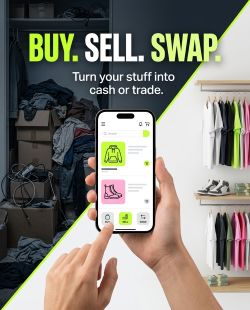
Got unused items collecting dust? Turn them into opportunities. Connect directly, negotiate fairly, and discover a smarter way to buy and sell with ZiHERO.