
9 Shocking Truths About India’s Spending Power
9 Shocking Truths About India’s Spending Power explains whether India’s consumption growth is driven by real income or rising debt, with deep insights and actionable analysis
9 Shocking Truths About India’s Spending Power Explained
Over the past decade, India has witnessed a dramatic shift in how people earn, spend, and save money. Shopping habits have evolved, digital payments have surged, and consumer aspirations have grown stronger than ever.
At first glance, it appears that India’s spending power is rising steadily. However, a deeper look reveals a more complex picture. Growth is visible, but it is not always supported by strong financial fundamentals.
This is where 9 Shocking Truths About India’s Spending Power become important. These insights go beyond surface-level observations and uncover the real drivers behind India’s consumption boom.
The central question remains:
👉 Is India’s spending power truly earned, or is it increasingly dependent on borrowing?
9 Shocking Truths About India’s Spending Power
The Rise of Consumer Spending in India
India’s GDP growth has increasingly been supported by private consumption. Urbanization, rising aspirations, and access to credit have all contributed to this shift.
Consumers today are:
- Spending more on lifestyle products
- Upgrading faster
- Adopting digital financial tools
However, these changes don’t always reflect deeper financial stability.
9 Shocking Truths About India’s Spending Power1:
The Evolution of Spending Behavior in India
India’s consumption patterns have changed significantly over the last 10 years. Earlier, spending was largely need-based, with a strong focus on savings. Today, consumption is driven by lifestyle, convenience, and aspiration.
Several factors have contributed to this transformation:
- Increased access to credit
- Rapid urbanization
- Digital payment systems
- Exposure to global brands
While these changes have boosted economic activity, they have also introduced new financial risks.
9 Shocking Truths About India’s Spending Power
– Growth Is Highly Uneven
One of the most important insights is that spending growth is not evenly distributed across the population.
Urban areas, especially metropolitan cities, have experienced strong consumption growth. In contrast, rural areas have faced fluctuations due to agricultural challenges and income instability.
This has created a divided consumption pattern:
- High-income groups are spending aggressively
- Middle-income households are cautious
- Lower-income groups are under pressure
This uneven growth highlights the structural imbalance in India’s economy.
9 Shocking Truths About India’s Spending Power
– Credit Is Driving Consumption
A significant portion of spending growth is supported by credit expansion.
India has witnessed rapid growth in:
- Credit cards
- Personal loans
- Buy Now Pay Later services
While credit improves access to consumption, it also raises long-term financial risks.
While credit enables higher consumption, it also raises concerns about financial sustainability. Many households are spending beyond their current income levels.
9 Shocking Truths About India’s Spending Power #3 – Real Income Growth Is Slower
Although salaries have increased over time, inflation has reduced the actual value of income.
This means that even though people are earning more on paper, their real purchasing power has not improved significantly.
As a result, consumption growth is not entirely backed by income growth.
9 Shocking Truths About India’s Spending Power
Digital Payments and Changing Spending Habits
The introduction of UPI and mobile wallets has revolutionized how Indians spend money. Transactions are now faster, easier, and more convenient.
However, this convenience comes with a downside. The ease of spending often reduces financial discipline, leading to higher impulse purchases.
9 Shocking Truths About India’s Spending Power
– Premium Consumption Is Rising
There has been a noticeable shift toward premium products and services.
Consumers are increasingly spending on:
- High-end smartphones
- Branded apparel
- Luxury experiences
This trend is driven primarily by affluent consumers, creating a perception that overall spending power is stronger than it actually is.
9 Shocking Truths About India’s Spending Power #5 – Household Debt Is Increasing
Household debt levels in India have been rising steadily, especially in urban areas.
Higher debt levels increase financial vulnerability, particularly during economic downturns or job losses.
Savings Patterns Are Changing
Traditionally, Indian households prioritized saving over spending. This mindset is gradually shifting.
Today, many consumers prefer immediate consumption over long-term savings, which can impact financial stability.
9 Shocking Truths About India’s Spending Power #6 – Savings Rate Is Declining
A declining savings rate indicates that households are allocating more income toward consumption.
While this supports economic growth in the short term, it reduces financial security in the long run.
9 Shocking Truths About India’s Spending Power #7 – Government Spending Supports Demand
Government expenditure plays a crucial role in maintaining consumption levels.
Infrastructure projects, subsidies, and welfare programs all contribute to sustaining demand in the economy.
9 Shocking Truths About India’s Spending Power #8 – Youth Are Driving Consumption
India’s young population is a key driver of spending trends.
Young consumers are more:
- Aspirational
- Tech-savvy
- Willing to spend
They are also more open to using credit, which further fuels consumption growth.
9 Shocking Truths About India’s Spending Power #9 – Inflation Is Eroding Purchasing Power
Inflation is one of the most significant factors affecting spending power.
Even when incomes rise, increasing prices reduce the actual value of money.
Consumers often end up spending more while receiving less in return.
What These Trends Reveal About India’s Economy
When we analyze all these factors together, a clear picture emerges.
India’s consumption growth is driven by a combination of:
- Income growth
- Credit expansion
- Government support
However, this growth is not entirely stable. A significant portion of spending is influenced by borrowing rather than sustainable income.
Implications for Businesses and Brands
Businesses operating in India must understand these dynamics to succeed.
- Offering value-driven products
- Building long-term trust
- Avoiding excessive reliance on premium positioning
Understanding consumer psychology is essential in a market where aspiration and financial caution coexist.
Practical Takeaways for Consumers
Consumers should adopt a balanced approach to spending and saving.
Key actions include:
- Tracking expenses regularly
- Avoiding unnecessary debt
- Building an emergency fund
- Investing for long-term goals
Financial awareness is critical in navigating today’s economic environment.
Final Thoughts on 9 Shocking Truths About India’s Spending Power
India’s spending power has undoubtedly increased over the past decade. However, this growth is not purely driven by rising incomes.
9 Shocking Truths About India’s Spending Power reveal that consumption is influenced by multiple factors, including credit availability, inflation, and policy support.
The key takeaway is simple:
👉 India’s spending power is a mix of earned income and borrowed money.
For sustainable growth, it is essential to strike a balance between consumption and financial stability.
Understanding these trends will help individuals, businesses, and policymakers make better decisions in the future.
India’s spending story in the last decade looks powerful—but 2025–2026 data shows a more fragile and shifting reality.
Consumption has grown significantly, with total consumer spending reaching record highs and expected to rise further in coming years.
But recent developments—global uncertainty, inflation risks, and changing consumer behavior—are forcing a rethink.
This is where 9 Shocking Truths About India’s Spending Power becomes more relevant than ever.
9 Shocking Truths About India’s Spending Power #1 – Growth Is Strong but Slowing
India’s consumption engine is still growing—but momentum is weakening.
Recent reports show discretionary spending is slowing, as consumers cut back on non-essential purchases due to uncertainty.
👉 What this means:
- Growth exists
- But confidence is weakening
This is a major shift from the aggressive spending seen in earlier years.
9 Shocking Truths About India’s Spending Power #2 – External Factors Now Control Spending
A new reality has emerged—India’s consumption is increasingly influenced by global events.
Rising oil prices and geopolitical tensions are pushing costs higher and reducing spending power.
👉 Impact:
- Higher fuel costs
- Increased product prices
- Reduced disposable income
This makes spending more fragile than before.
9 Shocking Truths About India’s Spending Power #3 – Rural Demand Is at Risk
India’s economy still depends heavily on rural income.
A weak monsoon forecast for 2026 could:
- Reduce agricultural output
- Lower rural income
- Decrease consumption demand
Food prices may also rise due to supply shortages.
👉 This directly impacts India’s spending base.
9 Shocking Truths About India’s Spending Power #4 – Luxury Spending Is Booming
Here’s a contradiction.
Even as overall consumption slows, luxury spending is rising sharply.
India has become the second-largest diamond jewellery market globally, showing strong demand for premium goods.
👉 Insight:
- Top 10–15% are spending aggressively
- Rest of the population is cautious
This widens inequality in spending power.
9 Shocking Truths About India’s Spending Power #5 – Youth Are Dominating Consumption
India’s young population is now the biggest spending force.
Gen Z alone contributes:
- 43% of total consumption
- $250 billion in spending power
👉 This shifts the economy toward:
- Lifestyle spending
- Digital-first purchases
- Brand-driven consumption
9 Shocking Truths About India’s Spending Power #6 – Quick Commerce Is Changing Behavior
Spending habits are being reshaped by convenience.
Quick commerce platforms show:
- Purchases ranging from ₹10 to ₹4.3 lakh
- Growth beyond metro cities
👉 Result:
Consumers are spending more frequently—even for small needs.
9 Shocking Truths About India’s Spending Power #7 – Energy Consumption Reflects Lifestyle Growth
India’s rising electricity demand signals higher consumption levels.
- Record power demand achieved
- Increased appliance and AC usage
- Growth in residential spending
👉 This indicates real lifestyle upgrades—not just inflation-driven spending.
9 Shocking Truths About India’s Spending Power #8 – Government Policies Are Artificially Supporting Demand
Recent policy moves are boosting spending power.
Key highlights:
- Tax relief for individuals
- Increased infrastructure spending
- Incentives for job creation
👉 This means:
Consumption is partly policy-driven—not purely organic.
Why India slipped to 6th spot in IMF GDP rankings despite strong growth
9 Shocking Truths About India’s Spending Power #9 – Inflation Risk Still Looms
Even though inflation cooled earlier, risks remain.
Food prices, oil costs, and supply disruptions can quickly reverse gains.
👉 This creates uncertainty:
- Spending increases today
- Purchasing power declines tomorrow
🧠 DEEP ANALYSIS: EARNED VS BORROWED
After analyzing all 9 Shocking Truths About India’s Spending Power, we can clearly divide consumption into three layers:
1. Earned Spending
- Driven by rising middle class
- Supported by salary growth
- Visible in housing, appliances
2. Borrowed Spending
- Credit cards, loans, BNPL
- Lifestyle upgrades without income backing
3. Supported Spending
- Government policies
- Subsidies and tax cuts
👉 Final Reality:
India’s spending power is a hybrid model—not purely organic.
📊 WHAT HAS CHANGED IN THE LAST 10 YEARS
Then (2015–2019)
- Savings-driven economy
- Limited credit usage
- Rural demand strong
Now (2025–2026)
- Consumption-driven economy
- Credit-fueled spending
- Urban + premium dominance
🚨 BIG RISKS AHEAD
The latest data reveals several risks:
1. Consumption slowdown
2. Rising inequality

3. Credit dependence
4. External economic shocks
5. Climate impact (monsoon dependency)
👉 These risks directly affect long-term sustainability.
💼 WHAT THIS MEANS FOR BUSINESSES
Brands must rethink strategy.
Winning strategies:
- Value + affordability
- Flexible pricing
- Tier-2 & Tier-3 focus
ZiHERO, for example, is a
👉 A smart, value-first brand in an uncertain economy
👥 WHAT THIS MEANS FOR CONSUMERS
Consumers need to adapt.
Smart actions:
- Avoid unnecessary debt
- Track real income vs spending
- Focus on savings
India’s consumption story is still strong—but no longer simple.
9 Shocking Truths About India’s Spending Power show that:
👉 Growth is real—but uneven
👉 Spending is rising—but partly borrowed
👉 Confidence is improving—but fragile
The future of India’s economy will depend on one key factor:
👉 Whether income growth can sustainably support consumption
🔍 Frequently Asked Questions on India’s Spending Power
What are the key drivers behind India’s spending power?
India’s spending power is driven by a mix of rising incomes, increased access to credit, digital payment adoption, and government policies that support consumption. However, recent trends show that credit and policy support play a larger role than before.
Is India’s consumption growth sustainable?
India’s consumption growth is partially sustainable but faces risks. While income growth supports spending, rising household debt and inflation pressures can weaken long-term stability.
How has spending power changed in the last 10 years?
Over the past decade, India has shifted from a savings-focused economy to a consumption-driven one. Digital payments, urbanization, and lifestyle changes have significantly increased spending levels.
Is spending in India mostly earned or borrowed?

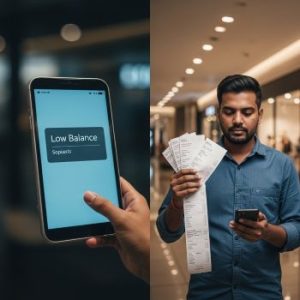
Spending in India is a combination of both. Higher-income groups rely on earned income, while middle-class consumption is increasingly supported by credit such as personal loans and credit cards.
Why is rural consumption weaker than urban consumption?
Rural consumption depends heavily on agriculture and monsoon performance. Income instability and inflation in essential goods often reduce rural purchasing power compared to urban areas.
How does inflation affect spending power in India?
Inflation reduces real purchasing power by increasing the cost of goods and services. Even if incomes rise, higher inflation means consumers can buy less with the same amount of money.
What are the 9 shocking truths about India’s spending power?
India’s spending power is influenced by uneven growth, rising credit usage, slow real income growth, premium consumption trends, increasing household debt, declining savings, government support, youth-driven demand, and inflation pressures.
⚖️ Why “Same Price for All” Feels Even More Unfair to Gen Z in India’s Spending Power
One of the most overlooked realities in India’s spending power is how pricing impacts different generations differently—especially Gen Z.
On paper, the system looks fair:
👉 One product = one price for everyone.
But for Gen Z in India, this “equal pricing” system feels increasingly disconnected from reality because income, lifestyle pressure, and digital consumption habits are completely different from previous generations.
This creates a deeper emotional and financial gap that directly shapes 9 Shocking Truths About India’s Spending Power.
📱 Gen Z Lives in a High-Expectation Economy
Unlike previous generations, Gen Z in India is growing up in a hyper-visible digital world.
Social media platforms constantly expose them to:
- Luxury lifestyles
- Travel content
- Premium fashion trends
- Tech upgrades
- Influencer consumption patterns
So even when income levels are modest, expectations are significantly higher.
Now combine this with uniform pricing:
👉 A ₹2,000 shirt costs the same for everyone
👉 A ₹1,000 restaurant bill is the same for all
👉 A ₹70–₹100 food order is the same across income groups
But Gen Z is not comparing prices—they are comparing lifestyles.
This makes India’s spending power gap feel more psychological than mathematical.
💳 Credit Culture Is Normal for Gen Z Spending Power
Another major shift is how Gen Z interacts with money.
Unlike earlier generations who prioritized saving first, Gen Z is:
- More comfortable with credit cards
- Highly exposed to Buy Now Pay Later (BNPL) options
- Used to EMI culture even for small purchases
- Influenced by instant gratification economy
This means uniform pricing hits differently.
A ₹5,000 purchase is not evaluated as “expensive” or “cheap”—it is evaluated as:
👉 “Can I convert it into EMI or not?”
This is a key behavioral shift shaping India’s spending power today.
🛒 Same Prices, Different Emotional Weight
For Gen Z, the unfairness of pricing is not just financial—it is emotional.
Let’s break it down:
High-income Gen Z:
- Treat spending as lifestyle expression
- Prices feel flexible
- Purchases are experience-driven
Middle-income Gen Z:
- Constantly balance aspiration vs affordability
- Often rely on discounts, offers, or credit
- Experience “choice anxiety” before spending
Lower-income Gen Z:
- Price sensitivity is extreme
- Even small purchases require trade-offs
- Spending is often need-based, not desire-based
So while prices are equal, emotional affordability is not equal.
This emotional gap is a hidden layer of India’s spending power inequality.
📊 Social Media Makes Price Inequality Feel Worse
One of the biggest Gen Z-specific factors is digital influence.
Platforms like Instagram, YouTube, and TikTok-style content (short video apps) normalize:
- Premium cafés
- Expensive gadgets
- Fashion hauls
- Travel lifestyles
- Luxury consumption habits
So when Gen Z sees a ₹300 coffee aesthetic online and then compares it with their budget, the same price system feels unfair—even if it is technically equal.
👉 The problem is not pricing.
👉 The problem is visibility of lifestyle disparity.
This is a modern psychological layer of India’s spending power that earlier generations did not experience at scale.
📉 Inflation Hits Gen Z First (Not Last)
Another important truth is that inflation impacts Gen Z more aggressively.
Why?
Because Gen Z spending is concentrated in:
- Food delivery
- Subscriptions
- Mobility (ride apps)
- Fashion and gadgets
- Social lifestyle spending
These are the exact categories where inflation and dynamic pricing are most visible.
So even small price changes:
- Food delivery fees increase
- Subscription prices rise
- Gadget upgrades become costlier
This makes Gen Z feel that prices are “always rising,” even when income growth is slow or inconsistent.
This is a critical insight in India’s spending power evolution.
🏙️ Urban Gen Z vs Tier-2 Gen Z Gap
The “same price, different reality” problem becomes sharper when we compare locations.
Urban Gen Z:
- Higher exposure to brands
- Higher spending opportunities
- Easier access to credit
- More lifestyle-driven consumption
Tier-2 / Tier-3 Gen Z:
- Lower income base
- Strong price sensitivity
- Limited discretionary spending
- Higher saving pressure
Yet both groups:
👉 See the same Instagram trends
👉 See the same product prices
👉 See the same online shopping ads
This creates a psychological pricing gap, where desire is equal—but affordability is not.
This is one of the most important hidden drivers of India’s spending power divide.
💡 The Rise of “Flexible Affordability” Culture
Gen Z in India is not rejecting consumption—they are adapting to it differently.
Instead of asking:
👉 “Can I afford this?”
They now ask:
- “Can I split this into EMI?”
- “Is there a discount code?”
- “Can I buy this during sale season?”
- “Can I delay payment?”
This has created a new economy of:
- Discounts
- Cashbacks
- Credit cycles
- Subscription stacking
So even though prices are fixed, affordability is becoming flexible.
This is reshaping India’s spending power structure at a behavioral level.
⚠️ Hidden Risk: Lifestyle Inflation Without Income Stability
One of the biggest risks for Gen Z is lifestyle inflation.
Because:
- Income growth is uneven
- Credit access is easy
- Social pressure is high
Gen Z often upgrades lifestyle faster than income growth allows.
This leads to:
- Higher debt dependency
- Lower savings rates
- Financial stress cycles
So while consumption looks strong on the surface, it is often not fully sustainable underneath.
Gen Z Is Redefining India’s Spending Power
When we combine all these patterns, one truth becomes clear:
👉 India’s spending power is no longer just economic—it is generational.
Gen Z is:
- More aspirational
- More credit-dependent
- More digitally influenced
- More sensitive to lifestyle comparison
So even though prices remain the same for everyone, the impact of those prices is deeply unequal across Gen Z itself.
This is why the idea of “same price for all” feels increasingly unfair—not because pricing has changed, but because expectations, income patterns, and digital influence have completely transformed how spending power is experienced in India today.