
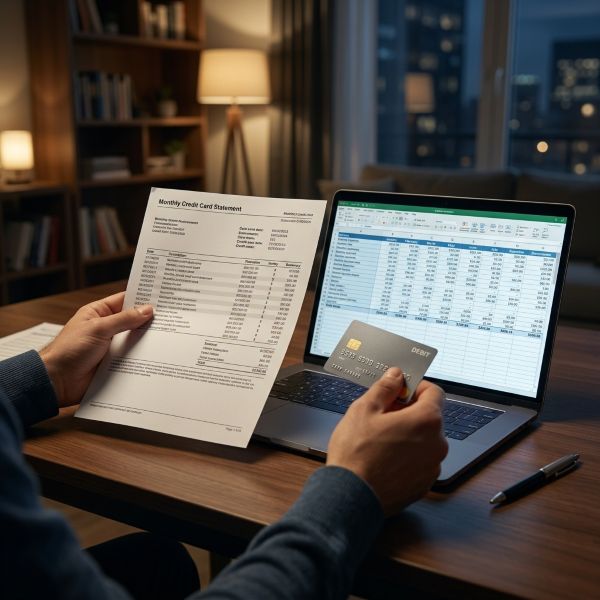
The Hidden Credit Card Mistake Costing People Thousands
Discover The Hidden Credit Card Mistake Costing People Thousands. Millions of people unknowingly make a credit card mistake that can cost thousands in interest. Learn how credit card debt grows, why minimum payments are dangerous, and practical ways to regain control of your finances.
Most people think credit card debt starts with a big mistake.
A luxury vacation.
An expensive gadget.
A shopping spree gone wrong.
But that’s usually not what happens.
The real danger is much smaller.
In fact, it’s so common that millions of people do it every month without thinking twice.
And it could be quietly costing them thousands of rupees over time.
The Problem Doesn’t Start With Spending
Let’s imagine two people.
Both have a credit card.
Both spend ₹20,000 in a month.
The first person pays the entire bill when it’s due.
The second person pays only the minimum amount shown on the statement.
At first glance, both seem responsible.
After all, they paid something.
But financially, they are on completely different paths.
The first person used the credit card as a payment tool.
The second person unknowingly turned it into a loan.
And that’s where the hidden mistake begins.
The Most Expensive Number on Your Statement
Every month, your credit card statement highlights something called:
Minimum Amount Due
It looks harmless.
Sometimes it’s only a small fraction of the total bill.
If your outstanding balance is ₹50,000, the minimum due might be around ₹2,500.
Seeing that number creates a dangerous thought:
“Great, I only need to pay ₹2,500 this month.”
Technically, that’s true.
But financially, it can become very expensive.
Because the remaining balance doesn’t disappear.
Interest starts accumulating.
And credit card interest rates are among the highest rates many people will ever pay.
The bank gets paid.
The debt stays alive.
Why Smart People Fall Into This Trap
Here’s the surprising part.
This isn’t a problem caused by financial ignorance.
Many intelligent, educated people fall into the same cycle.
Because life happens.
An unexpected medical expense.
A wedding.
Car repairs.
A period of unemployment.
A sudden emergency.
The credit card becomes a temporary solution.
Then the temporary solution becomes a habit.
Soon, part of every paycheck goes toward old purchases.
Not because people are reckless.
Because they’re trying to keep up.
The Lifestyle Inflation Nobody Notices
When people receive a salary increase, they expect their financial situation to improve.
Sometimes the opposite happens.
A bigger income often leads to:
A better phone.
A nicer apartment.
More subscriptions.
Frequent dining out.
Additional convenience spending.
The expenses rise alongside income.
Savings don’t.
Credit cards make this transition feel painless.
Until the bill arrives.
Many people are earning more than ever before while simultaneously feeling financially stuck.
Not because they lack income.
Because they lack margin.
Social Media Makes Debt Look Normal
Every day we scroll past:
Luxury holidays.
Designer fashion.
Fine dining.
New gadgets.
Perfect lifestyles.
What we don’t see are the monthly payments.
The credit card balances.
The financial stress.
The internet has made comparison effortless.
And comparison often leads to spending.
Many purchases are not driven by need.
They’re driven by the desire to keep up.
The problem is that appearances can be financed.
Financial freedom cannot.
Before you borrow money, check what you’re already sitting on.
The Real Cost of Credit Card Debt
Most people focus on interest.
But the biggest cost is often opportunity.
Imagine paying ₹10,000 every month toward old debt.
Over time, that money could have gone toward:
Emergency savings.
Investments.
Learning new skills.
Starting a business.
Travel experiences.
Future goals.
Debt doesn’t just cost money.
It delays possibilities.
Every rupee paying for yesterday’s purchases is a rupee unavailable for tomorrow’s opportunities.
Debt Often Starts When Cash Flow Disappears
Most financial problems don’t begin because people lack assets.
They begin because people lack liquidity.
Someone may own:
- A ₹15,000 watch
- A ₹25,000 old phone
- A ₹10,000 gaming console
- Books, furniture, and electronics worth thousands more
Yet they still swipe a credit card for an emergency expense.
Why?
Because converting unused items into cash has traditionally been inconvenient.
Today’s local marketplaces are changing that.
Instead of accumulating debt, consumers now have more opportunities to sell, swap, or repurpose items they no longer use.
Why Borrow at 36% Interest?
When your unused items could be worth thousands.
ZiHERO
Meet Up. Buy. Sell.
Every rupee earned from an unused asset is a rupee that doesn’t need to be borrowed.
Before taking on expensive debt, many people are discovering the benefits of selling unused items through a local marketplace ZiHERO
The Credit Card Rule That Changes Everything
Here’s a simple rule.
Before making a purchase, ask yourself:
“If I had to pay cash today, would I still buy this?”
It’s a powerful filter.
Many purchases suddenly feel less urgent when viewed through that lens.
The goal isn’t to stop enjoying life.
The goal is to separate genuine value from impulse.
How to Use Credit Cards Without Getting Trapped
Credit cards aren’t the enemy.
In fact, when used correctly, they can be extremely useful.
The key is having a system. Learn with us.
1. Pay the Full Balance Whenever Possible
Treat your credit card like a debit card.
Use it for convenience.
Not for borrowing.
2. Create a 48-Hour Waiting Period
For non-essential purchases, wait two days before buying.
You’ll be surprised how many “must-have” purchases lose their appeal.
3. Build an Emergency Fund
Many debt cycles begin with unexpected expenses.
A financial cushion prevents emergencies from turning into long-term debt.
4. Track Every Subscription
Small monthly payments often go unnoticed.
Yet together they can consume a significant portion of income.
5. Focus on Wealth, Not Appearances
The goal isn’t looking rich.
The goal is becoming financially secure.
Those are not always the same thing.
A Better Way Forward
Credit cards are neither good nor bad.
They’re tools.
A hammer can build a house.
Or break a window.
The difference lies in how it’s used.
Financial freedom rarely comes from earning more alone.
It comes from creating a gap between what you earn and what you spend.
The hidden credit card mistake isn’t owning a card.
It’s believing the minimum payment means you’re making progress.
Because sometimes the most expensive financial decisions are the ones that feel harmless.
And the sooner you recognize them, the easier they are to fix.
FAQs
What is the biggest credit card mistake people make?
Paying only the minimum amount due while continuing to spend on the card. This can lead to significant interest charges over time.
Why is credit card debt so hard to escape?
High interest rates, lifestyle inflation, and continued spending often keep balances from shrinking quickly.
Is it bad to use a credit card every day?
Not necessarily. Daily use can be fine if balances are paid in full each month and spending stays within budget.
How much credit card debt is too much?
A warning sign is when you’re unable to pay the full balance each month or when debt payments are preventing savings and investments.
Should I close my credit card if I have debt?
Not always. Focus on repayment first and avoid adding new debt. Closing cards can sometimes affect your credit history.
How can I get out of credit card debt faster?
Prioritize high-interest balances, reduce unnecessary spending, increase payments above the minimum, and create a clear repayment plan.
Before Reaching for Your Credit Card, Look Around Your Home
Here’s a question most people never ask.
Before borrowing money, have you checked what you already own?
Many households are filled with items that rarely get used:
- Old smartphones
- Watches
- Headphones
- Gaming consoles
- Furniture
- Sports equipment
- Books
- Cameras
- Electronics
Yet when an unexpected expense appears, people often turn to credit cards first.
The result?
More debt.
More interest.
More financial stress.
A smarter approach may be to unlock value from things you already own.
Instead of financing a purchase through high-interest debt, many people are discovering that selling unused items can create immediate cash flow without borrowing.
This is where local community marketplaces like ZiHERO can play an important role.
Rather than letting valuable items collect dust, people can connect with buyers nearby, turn unused possessions into cash, and avoid relying entirely on credit.
Sometimes the solution isn’t borrowing more.
It’s using your existing resources more efficiently.
Financial freedom isn’t just about spending less. It’s also about making better use of what you already have.
Before taking on high-interest debt, look around your home. Many people are sitting on valuable assets without realizing it.
The future of personal finance may not only be about earning more. It may also be about becoming more resourceful—buying smarter, selling smarter, and finding value in resources that already exist.
That’s one reason why community-driven marketplaces like ZiHERO are becoming increasingly relevant in a world where every rupee counts.
💳 Credit Card Debt
⬆ Interest Keeps Growing
VS
⌚ Old Watch
📱 Unused Phone
🎮 Gaming Console
📚 Books
➡ Turn Clutter Into Cash
STOP. BEFORE YOU SWIPE.
That old watch,
unused phone,
or forgotten gadget…
could save you from debt.
Turn unused items into cash.