
The Invisible Cost of Subscriptions

Subscriptions feel harmless because the payments are small. Discover The Invisible Cost of Subscriptions, the psychological and financial cost of recurring monthly spending in 2026.

Nobody feels financially irresponsible while subscribing to something.

That’s what makes subscriptions dangerous.

₹149 here.
₹299 there.
A free trial you forgot about.
A tool you “might use later.”

None of it feels serious.

Until one day, your income starts feeling smaller than it should.

Table of Contents

The Invisible Cost of Subscriptions

Subscription culture changed how we experience spending.

Earlier, buying something felt intentional.

Now everything is automatic.

Music.
Movies.
Storage.
Software.
Even productivity itself.

You no longer buy products.

You subscribe to systems.

And because the payments feel small, your brain stops treating them like real decisions.

The issue isn’t one subscription.

It’s accumulation.

Small recurring payments quietly stack until your financial flexibility starts shrinking.

Not dramatically.
Silently.

And that’s why most people miss it.

The real cost of subscriptions is not only money.

It’s optionality.

Every recurring payment creates fixed pressure:

  • less room to save
  • less room to take risks
  • less breathing space financially

Over time, your income stops feeling flexible.

It starts feeling already allocated before you even earn it.

What makes this more dangerous is convenience.

Modern systems are designed to remove friction:

  • auto-renewals
  • saved payment methods
  • one-click upgrades

The easier spending feels, the less consciously you evaluate it.

And eventually, spending becomes background noise.

One of the most overlooked financial behaviors today is inactive spending.

Money leaving your account without active value.

Not because the product is bad.

But because cancellation requires effort—and effort is easy to postpone.

At ZiHERO, one idea keeps repeating:

Most financial pressure is not created by one terrible decision.

It’s created by small unconscious behaviors repeated over time.

Subscriptions are one of the clearest examples.

A simple question changes everything:

Instead of asking:

“Can I afford this monthly?”

Ask:

“Would I actively choose this again today?”

That creates awareness.

And awareness changes behavior.

The modern economy is built around recurring extraction.

Almost everything wants:

  • monthly engagement
  • monthly payments
  • continuous attention

And because these costs arrive quietly, they rarely feel urgent.

But over years, they shape your flexibility more than you realize.

Financial freedom is not just about earning more.

It’s about noticing where your freedom quietly disappears.

Convenience Is Quietly Rewiring an Entire Generation

Why Gen Z spends differently, thinks differently, and feels financially stuck faster than previous generations

Gen Z grew up in the smoothest economy ever created.


Not the strongest.
Not the cheapest.

The smoothest.
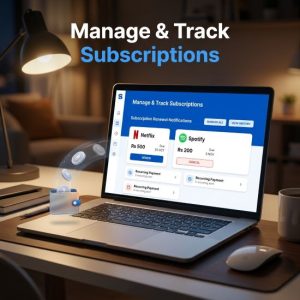
The Invisible Cost of Subscriptions

Everything today is designed to remove friction:

  • one-click ordering
  • instant delivery
  • tap-to-pay
  • subscriptions
  • same-day convenience

You no longer wait for things.

And slowly, without realizing it, that changes how you think about:

  • money
  • patience
  • effort
  • value

This isn’t just a financial shift.

It’s psychological.

Earlier generations experienced delay

Before digital convenience, buying something required friction.

You had to:

  • go somewhere physically
  • think before purchasing
  • carry cash
  • wait longer

That waiting period mattered more than people realize.

Because friction creates evaluation.

You pause.
You reconsider.
You ask:

“Do I actually need this?”

Today, most systems are designed to prevent that pause from happening.

And when reflection disappears, impulsiveness grows naturally.

Modern apps are competing for automatic behavior

Most platforms today are not trying to help you think.

They are trying to help you continue.

Continue scrolling.
Continue ordering.
Continue subscribing.
Continue consuming.

Why?

Because automatic behavior is profitable.

The less consciously you evaluate something, the easier it becomes to monetize your attention and spending.

That’s why:

  • notifications feel urgent
  • recommendations feel personalized
  • purchases feel emotionally timed

Modern systems are designed around reducing resistance.

Gen Z doesn’t just consume products anymore

They consume identity.

This is one of the biggest shifts happening right now.

Earlier:
People bought things for utility.

Today:
People often buy things for emotional positioning.

Not:

“What does this do?”

But:

“What does this say about me?”

That’s why:

  • aesthetics matter so much
  • brands feel personal
  • lifestyle becomes visible online

Consumption is no longer private.

It became social signaling.

The pressure to appear “put together”

Social media created a strange financial environment.

People now feel pressure to:

  • look productive
  • look successful
  • look upgraded

Even while feeling financially unstable internally.

And because everyone sees everyone else’s highlights, “normal life” starts feeling inadequate.

This creates a hidden emotional cycle:

  • comparison
  • insecurity
  • spending
  • temporary validation
  • repeat

Not because people are irresponsible.

Because emotional environments shape financial behavior more than logic does.

Why Gen Z feels mentally exhausted faster

This generation processes more information daily than previous generations did in weeks.

Notifications.
Short-form content.
Recommendations.
Trends.
Updates.

Everything competes for mental energy.

And mental overload changes decision quality.

When your brain becomes overstimulated:

This is why many people today don’t necessarily lack intelligence.

They lack clarity under constant stimulation.

The economy of endless upgrades

The Invisible Cost of Subscriptions

One of the biggest modern pressures is the feeling that everything must constantly improve.

Your:

  • phone
  • setup
  • wardrobe
  • productivity system
  • lifestyle

Nothing feels permanent anymore.

Everything feels temporarily outdated.

And that creates a subtle anxiety:

“Am I falling behind?”

This is extremely profitable for modern markets because dissatisfaction drives continuous consumption.

The more unstable your internal satisfaction becomes, the easier external systems can sell improvement.

The hidden emotional cost of convenience

Convenience saves time.

But it can quietly reduce resilience.

Earlier, effort was unavoidable:

  • waiting
  • repairing
  • adapting
  • tolerating discomfort

Now inconvenience feels almost offensive.

Food is delayed? Stress.
Internet slow? Stress.
Package late? Frustration.

When comfort becomes the baseline, tolerance drops.

And low tolerance increases emotional exhaustion.

Why so many people feel “stuck”

A lot of Gen Z isn’t lazy.

They’re overwhelmed.

There’s a difference.

Modern life creates:

  • too many choices
  • too much comparison
  • too much stimulation
  • too much visibility into other people’s lives

And eventually:
clarity disappears.

You stop asking:

“What do I actually want?”

And start reacting to:

  • trends
  • algorithms
  • external expectations

That creates a strange feeling:
constant movement without internal direction.

The productivity trap

Even productivity became consumerized.

People now consume:

  • productivity apps
  • optimization videos
  • self-improvement content

Sometimes more than actual progress itself.

This creates “productive procrastination”:
feeling like you’re improving while avoiding difficult action.

The modern world monetizes aspiration extremely well.

You can feel productive without changing anything.

The financial illusion of digital money

Cash created awareness.

Digital payments reduce emotional visibility.

When money becomes:

  • automatic
  • contactless
  • invisible

Spending becomes emotionally lighter.

That’s one reason people often underestimate:

  • subscriptions
  • food delivery spending
  • impulse purchases

The pain of spending decreases.

So the frequency increases.

Attention became the real currency

The modern economy doesn’t only compete for money anymore.

It competes for:

  • attention
  • emotion
  • focus

And attention is deeply connected to spending behavior.

The more distracted people become:

  • the harder intentional decision-making gets
  • the easier impulsive behavior becomes

That’s why awareness matters more now than ever before.

What ZiHERO sees differently :

ZiHERO – Making smarter financial decisions

At ZiHERO – Making smarter financial decisions, the focus isn’t just budgeting.

It’s understanding modern behavior.

Because most financial pressure today is not caused by:

  • one terrible mistake
  • one catastrophic purchase

It’s caused by:

  • invisible habits
  • emotional spending
  • unconscious repetition
  • constant low-level consumption

The challenge today is not only financial literacy.

It’s behavioral awareness.

So what actually helps?

Not extreme minimalism.

Not guilt.

Not pretending convenience is bad.

What helps is visibility.

Understanding:

  • where your money goes
  • why your attention shifts
  • what triggers your spending
  • how external systems influence your behavior

Awareness creates distance between impulse and action.

And that distance changes decisions.

A more honest definition of freedom

Modern freedom is often marketed as:

  • buying more
  • upgrading more
  • accessing more

But real freedom may actually be:

  • lower pressure
  • more flexibility
  • fewer unconscious obligations
  • clearer thinking

Not deprivation.

Clarity.

Final Thoughts

Gen Z is not weak.

They are navigating a system designed for continuous stimulation and continuous consumption.

That changes behavior.

And unless people understand how modern environments shape:

  • attention
  • emotions
  • spending
  • decision-making

they will continue feeling:

  • financially stretched
  • mentally overloaded
  • emotionally distracted

without fully understanding why.

The biggest modern challenge is not lack of opportunity.

It’s maintaining clarity in systems designed to constantly interrupt it.

And that’s exactly where awareness becomes valuable.

Genuine surveys and consumer studies strongly suggest people are increasingly unhappy with subscriptions, especially younger consumers, and many are losing money through unused or forgotten recurring payments.

Here are some of the clearest patterns emerging from recent surveys and consumer research:

What Surveys Are Showing

People feel overwhelmed by subscriptions

A 2025 survey reported that:

  • Over 60% of streaming users feel overwhelmed by the number of subscriptions they manage.

Another survey found:

  • 40% of consumers feel oversubscribed
  • Nearly 50% of Gen Z and Millennials feel they have too many subscriptions.

 People are losing money without realizing it

Research from HSBC found:

  • Consumers waste money on subscriptions they no longer use simply because they forget to cancel them.

Other studies found:

  • Many consumers underestimate their subscription spending significantly.
  • Some people cannot even remember all the subscriptions they currently pay for.

That’s important psychologically:

The problem isn’t only “too many subscriptions.”
It’s low visibility into recurring spending.

 Subscription fatigue is becoming real

There’s now an actual term widely used across research and business reports:

Subscription fatigue

It refers to people becoming mentally and financially exhausted by recurring payments.

What’s interesting is that many users don’t necessarily hate the services themselves.

They’re tired of:

  • constant monthly commitments
  • rising prices
  • difficult cancellations
  • feeling like everything requires another subscription

 Gen Z feels this strongly

Younger users show some of the highest fatigue levels:

  • Higher oversubscription rates
  • More cancellation behavior
  • Greater willingness to switch or pause subscriptions

Many Gen Z users now:

  • rotate streaming services
  • share passwords
  • pause memberships frequently
  • cancel unused tools aggressively

That behavior signals something important:

People are becoming more conscious of recurring spending.

But the picture is nuanced

This is important:

People are not universally against subscriptions.

Surveys also show users stay loyal when:

  • pricing feels fair
  • cancellation is easy
  • value feels continuous
  • flexibility exists

So the issue isn’t:

“Subscriptions are bad.”

The issue is:

“Too many low-value recurring commitments create fatigue.”

 The deeper behavioral insight

The most interesting pattern across surveys is this:

People don’t usually feel the pain immediately.

Because recurring payments:

  • are small individually
  • become automated
  • fade into background awareness

That’s why subscriptions accumulate quietly.

And once spending becomes invisible, behavior changes without people noticing.

 One powerful insight from founders themselves

Some SaaS founders reported that users weren’t canceling because products were bad.

They were canceling because:

they were trying to reduce overall monthly commitments.

That’s a major shift.

Products are no longer competing only against competitors.

They’re competing against:

  • Netflix
  • Spotify
  • cloud storage
  • AI tools
  • delivery memberships
  • every other recurring charge in someone’s life

The surveys suggest something very clear:

✔ Yes, many users feel financially drained by subscriptions

✔ Yes, younger users increasingly feel subscription fatigue

✔ Yes, people often lose money through invisible recurring spending

But also:

✔ Users still accept subscriptions when they feel genuinely valuable and flexible

So the future probably isn’t:

“subscriptions disappear”

It’s more likely:

consumers become far more selective and aware.

And that shift is already happening.

The biggest reason to rethink The Invisible Cost of Subscriptions:

The Most Expensive Thing About Subscriptions Isn’t the Cost — It’s the Lost Opportunity

What small recurring payments could become if they were redirected toward ownership, investing, and long-term flexibility

Most people think subscriptions cost money.

But the deeper cost is something else:

They quietly consume future opportunity.

Because money is never just money.

Every rupee you spend is also:

  • a future investment not made
  • a buffer not created
  • flexibility not preserved
  • ownership not accumulated

And modern subscription culture makes this difficult to notice because the amounts feel small.

₹199 doesn’t feel serious.
₹499 doesn’t feel dangerous.
₹999 feels manageable.

But repetition changes scale.

That’s where the real story begins.

The problem isn’t one subscription

One subscription rarely damages financial health.

The issue is cumulative behavior.

A modern digital lifestyle often includes:

  • streaming platforms
  • music apps
  • cloud storage
  • AI tools
  • delivery memberships
  • fitness apps
  • editing software
  • productivity subscriptions

Individually useful.
Collectively expensive.

A person spending:

  • ₹299 here
  • ₹799 there
  • ₹499 elsewhere

can easily cross ₹5,000–₹15,000 monthly without emotionally registering it.

That’s ₹60,000–₹180,000 yearly.

And because the money leaves gradually, it rarely feels alarming.

Why small recurring payments are psychologically dangerous

Humans evaluate large purchases emotionally.

But small recurring expenses bypass emotional resistance.

That’s why:

  • EMIs work
  • subscriptions work
  • “buy now, pay later” works

The brain focuses on:

affordability per month

instead of:

total long-term cost

This creates an illusion:
small payments feel harmless because they don’t create immediate discomfort.

But wealth erosion rarely happens dramatically.

It happens quietly.

The hidden question nobody asks

People ask:

“Can I afford this?”

Few ask:

“What else could this money become?”

That second question changes financial behavior completely.

Because spending is not just subtraction.

It’s also the removal of future multiplication.

Example 1: The ₹5,000 monthly subscription lifestyle

Let’s say someone spends:

  • streaming services
  • premium apps
  • delivery memberships
  • convenience subscriptions

Total:

₹5,000/month

That feels reasonable in modern urban life.

But over 10 years:

  • ₹5,000/month = ₹6,00,000 directly spent

And that’s before investment growth.

Now imagine the same amount invested monthly instead.

The power of compounding is emotionally invisible

Compounding feels slow initially because growth is not immediate.

That’s why people underestimate it.

But long-term wealth is often built through consistency, not dramatic income spikes.

If ₹5,000/month were invested into:

  • index funds
  • SIPs
  • ETFs
  • diversified equity portfolios

at roughly 12% annual returns:

After:

  • 10 years → around ₹11–12 lakhs
  • 20 years → around ₹50 lakhs
  • 30 years → over ₹1.7 crore

The same money.

Different direction.

Why ownership matters more than access

Modern culture pushes access:

  • rent everything
  • subscribe to everything
  • stream everything

But wealth historically grows through ownership:

  • equity
  • investments
  • assets
  • businesses

Access creates convenience.

Ownership creates leverage.

And many people today unknowingly prioritize convenience at the cost of long-term accumulation.

Convenience feels richer than investing

This is psychologically important.

Subscriptions provide immediate emotional reward:

  • entertainment
  • productivity
  • comfort
  • status
  • convenience

Investing feels boring because:

  • results are delayed
  • growth is invisible daily
  • there’s no dopamine spike

So the brain naturally prefers consumption over compounding.

Not because people are irrational.

Because immediate rewards are emotionally stronger than future rewards.

Gen Z faces a unique financial challenge

Previous generations dealt with physical spending.

Gen Z deals with invisible spending.

Money now moves silently:

  • auto-payments
  • digital wallets
  • stored cards
  • recurring deductions

This removes spending awareness.

And when awareness drops, optimization becomes difficult.

People don’t realize:

  • how much leaves monthly
  • what percentage is passive spending
  • how much future flexibility disappears annually

That’s why many young earners feel:

“I make decent money but still feel financially stuck.”

Lifestyle inflation happens quietly

As income rises, subscriptions rise too.

You upgrade:

  • apps
  • memberships
  • services
  • convenience layers

And because each increase feels small individually, overall financial pressure rises invisibly.

This creates:

high-income fragility

People earn more but remain dependent on continuous income flow because recurring obligations grow equally fast.

Investing is not just about returns

This is important.

Investing changes behavior itself.

When money moves toward:

  • ownership
  • assets
  • long-term systems

something psychological changes:

  • patience improves
  • impulsiveness reduces
  • future thinking increases

Ownership creates a different relationship with money.

Consumption removes money.

Investment recruits money.

Example 2: Food delivery economics

Let’s say someone spends:

₹300 extra daily for convenience delivery

That’s:

  • ₹9,000/month
  • ₹1,08,000/year

Over 10 years:
₹10–12 lakhs directly spent.

Again:
before compounding.

If partially redirected into investments:
that same convenience premium alone could potentially become:

  • a house down payment
  • emergency reserves
  • business capital
  • travel freedom
  • financial security

This doesn’t mean:
“Never enjoy convenience.”

It means:
understand the long-term tradeoff consciously.

The difference between rich-feeling and wealthy

Modern systems optimize for feeling upgraded.

But feeling financially modern and becoming financially strong are not always the same thing.

You can:

  • use premium tools
  • wear premium brands
  • access premium services

while remaining financially fragile underneath.

That’s one of the biggest hidden problems today.

People optimize visible lifestyle before invisible stability.

The most powerful financial shift is awareness

At ZiHERO – Making smarter financial decisions, one core idea keeps repeating:

Most financial improvement does not begin with earning more.

It begins with:
seeing clearly.

Because once people become aware of:

  • recurring leakage
  • inactive spending
  • emotional purchases
  • convenience premiums

their behavior naturally changes.

Awareness creates friction.

And friction improves decisions.

Example 3: The AI subscription stack

A modern creator or entrepreneur might pay for:

  • AI writing tools
  • image generators
  • editing platforms
  • storage services
  • automation software

Combined:
₹8,000–₹20,000/month easily.

Some are valuable.

But many become aspirational subscriptions:
tools people hope will make them more productive someday.

This creates:

productivity consumption

instead of actual productive output.

Again:
the issue is not using tools.

The issue is:
paying continuously without measurable value creation.

Why future wealth feels abstract

Humans struggle with delayed gratification because future outcomes feel emotionally distant.

That’s why:

  • a ₹799 subscription feels real today
  • ₹50 lakhs in 20 years feels imaginary

Even though mathematically the second matters more.

Modern financial systems exploit this perfectly.

They monetize present emotion against future possibility.

Small redirections create enormous long-term change –

And Gen Z is changing.

This is where people misunderstand investing.

You do not need:

  • massive wealth
  • perfect timing
  • huge salaries

You need:

  • consistency
  • awareness
  • time

Even redirecting:

  • ₹2,000/month
  • ₹5,000/month
  • ₹10,000/month

toward long-term assets instead of unconscious consumption creates massive asymmetry over decades.

The real goal isn’t extreme saving

This is important.

The solution is not:

  • guilt
  • deprivation
  • removing joy

The goal is intentionality.

Spend consciously.
Subscribe consciously.
Invest consciously.

The issue begins when behavior becomes automatic.

Modern freedom is built differently

People often think freedom comes from:

  • earning more
  • consuming more
  • upgrading constantly

But real flexibility usually comes from:

  • lower fixed obligations
  • stronger ownership
  • accumulated assets
  • reduced dependency on monthly survival

That kind of freedom grows slowly.

But once built, it compounds quietly.

A better financial question for Gen Z

Instead of asking:

“Can I afford this subscription?”

Ask:

“Am I funding convenience or building leverage?”

That question changes priorities.

Because money can do two things:

  • disappear through consumption
  • multiply through ownership

And the earlier people understand this difference, the more powerful compounding becomes.

Subscriptions are not destroying wealth overnight.

This connects closely to The Monthly Payment Trap, where we explored how small recurring costs quietly reduce flexibility.

They are slowly redirecting financial energy away from ownership and toward continuous access.

That’s the invisible cost.

Not just:

  • money spent

But:

  • investments delayed
  • flexibility reduced
  • opportunities postponed

And because modern spending feels smooth, many people don’t notice this shift until years later.

At ZiHERO – Making smarter financial decisions, the focus is not anti-spending.

It’s pro-awareness.

Because when people understand:

  • where money leaks
  • how behavior compounds
  • what future tradeoffs look like

they stop reacting financially and start building intentionally.

And that changes everything.


— ZiHERO

Leave a Comment

Your email address will not be published. Required fields are marked *

Scroll to Top