
Discover the science behind retail therapy, why emotional shopping feels rewarding, and how smarter financial habits can improve your happiness and savings.

The Psychology of Retail Therapy: Why Shopping Never Truly Works
The Psychology of Retail Therapy: Why Shopping Feels Good (But Rarely Solves the Problem)
Had a stressful day?
Many people open a shopping app, browse for a few minutes, and suddenly feel better. A new pair of shoes, a gadget, trendy clothing, or even a small accessory can create a temporary mood boost.
This behavior is so common that psychologists have a name for it: Retail Therapy.
While shopping can provide short-term emotional relief, research suggests it rarely addresses the real source of stress, sadness, boredom, or anxiety. In fact, excessive emotional spending can often create new financial problems that worsen mental stress over time.
Let’s explore why retail therapy feels so powerful, what science says about it, and how you can break the cycle without sacrificing happiness.
What Is Retail Therapy?
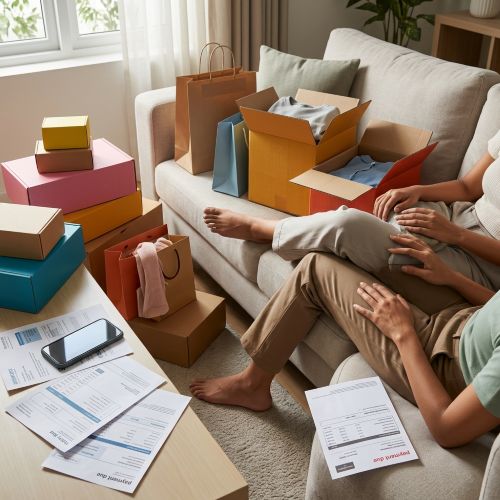
People often engage in retail therapy when they feel: Stressed
Retail therapy refers to shopping with the primary goal of improving your emotional state rather than fulfilling a genuine need.
People often engage in retail therapy when they feel:
- Stressed
- Lonely
- Bored
- Overwhelmed
- Frustrated
- Uncertain about the future
- Emotionally drained
The purchase itself becomes less important than the emotional experience surrounding it.
Why Shopping Feels So Good
The answer lies in your brain.
When you anticipate a reward, your brain releases dopamine, a neurotransmitter associated with pleasure, motivation, and anticipation.
Interestingly, dopamine spikes often occur before the purchase rather than after it.
This means:
- Browsing products feels exciting.
- Adding items to a cart feels rewarding.
- Waiting for delivery creates anticipation.
The brain enjoys the chase.
Unfortunately, once the product arrives, the emotional high often fades much faster than expected.
The “New Purchase Effect”
Have you ever been excited about something you bought, only to lose interest a few weeks later?
Psychologists call this hedonic adaptation.
Humans quickly become accustomed to new possessions.
That new phone becomes your regular phone.
That expensive jacket becomes another item in your wardrobe.
That gadget becomes something collecting dust on a shelf.
The happiness generated by buying something new is usually temporary.
Social Media Has Supercharged Retail Therapy
Today’s consumers are exposed to thousands of advertisements every week.
Platforms constantly show:
- Influencers unboxing products
- Lifestyle upgrades
- Luxury experiences
- Trend-driven purchases
The result?
People begin comparing their lives to carefully curated online content.
Research consistently shows that social comparison can increase dissatisfaction and impulsive spending behaviors.
Many purchases aren’t driven by necessity—they’re driven by comparison.
The Hidden Cost of Emotional Spending
Retail therapy doesn’t just affect your wallet today.
It can create a cycle:
- Feel stressed.
- Buy something.
- Feel temporarily better.
- Realize you spent money unnecessarily.
- Feel guilty or anxious.
- Shop again for another emotional boost.
Over time, this pattern can contribute to:
- Credit card debt
- Reduced savings
- Financial stress
- Buyer’s remorse
- Household clutter
Ironically, shopping to reduce stress can end up creating even more stress.
What Surveys Reveal About Emotional Spending
Consumer behavior studies across multiple markets have found that emotional triggers significantly influence purchasing decisions.
Common emotional spending triggers include:
- Bad days at work
- Relationship issues
- Academic pressure
- Social comparison
- Fear of missing out (FOMO)
Among Gen Z and Millennials, digital shopping convenience has made impulse purchases easier than ever.
With one-click purchases, the gap between desire and ownership has nearly disappeared.
The Question Most People Never Ask
Before purchasing something, ask yourself:
“Am I solving a problem, or am I solving a feeling?”
This simple question can prevent many unnecessary purchases.
If the answer is emotional rather than practical, it may be worth waiting 24 hours before buying.
Often, the urge disappears.
Smarter Alternatives to Retail Therapy
Instead of spending money, consider:
1. Go for a Walk
Physical movement improves mood and reduces stress.
2. Talk to Someone
A conversation often provides more emotional relief than a purchase.
3. Journal Your Thoughts
Writing can help process emotions and identify triggers.
4. Declutter Your Space
Organizing existing possessions can create a surprising sense of control and satisfaction.
5. Reevaluate What You Already Own
Many people discover valuable items they no longer use.
The Shift from Buying More to Using Better
A growing number of consumers are embracing a different mindset:
Instead of constantly buying new things, they focus on maximizing value from what they already own.
This includes:
- Selling unused items. Learn How to Earn Extra Money by Selling Unused Items
- Swapping products they no longer need
- Buying pre-owned goods
- Extending product life cycles
The goal isn’t to own more.
The goal is to get more value from what you own.
How ZiHERO Helps Create Smarter Spending Habits
Sometimes the answer isn’t another purchase.
It’s making better use of existing assets.
Instead of letting unused items sit in cupboards, wardrobes, or storage spaces, users can:
- Sell directly to interested buyers
- Negotiate without middlemen
- Buy quality pre-owned products
- Swap items for something more useful
Unlike many traditional marketplaces, ZiHERO supports buying, selling, and swapping, giving users more ways to create value without constantly spending new money.
It’s a small shift in behavior, but over time it can make a significant difference to both your finances and your consumption habits.
Final Thoughts
Retail therapy works because it provides a temporary emotional reward.
But temporary rewards rarely solve long-term problems.
The next time you’re tempted to buy something after a stressful day, pause and ask:
“Do I really need this, or do I just need a different way to feel better?”
Your future self—and your bank account—may thank you.
FAQs
What is retail therapy?
Retail therapy is the act of shopping to improve your mood or emotional state rather than purchasing something out of necessity.
Why does shopping make people feel better?
Shopping triggers dopamine release in the brain, creating feelings of anticipation and reward.
Is retail therapy harmful?
Occasional emotional spending is normal, but frequent retail therapy can lead to debt, clutter, and financial stress.
How can I stop emotional spending?
Identify triggers, wait 24 hours before making purchases, create a budget, and focus on non-financial ways to improve your mood.
What should I do with items I no longer use?
You can sell, swap, donate, or recycle them. Many people recover value from unused possessions through online marketplaces.