
The cheapest product isn’t always the best deal—and the most expensive one isn’t always worth it.
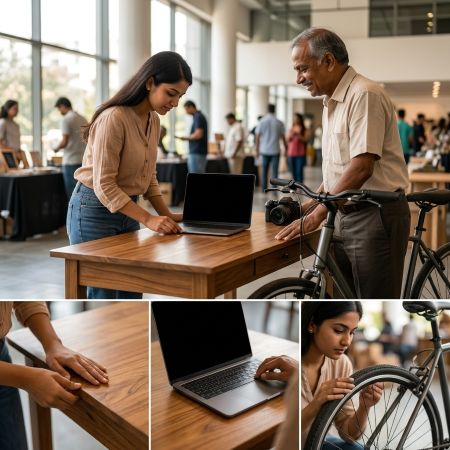
Product Inspection
How to Spot a Great Deal When Buying Second-Hand | Smart Buyer’s Guide
Learn how to identify genuine bargains when buying second-hand. Discover expert tips for inspecting used products, negotiating prices, avoiding mistakes, and shopping smarter.
Imagine finding the laptop you’ve wanted for months.
It looks almost new.
The price is 40% lower than retail.
The seller says it’s “barely used.”
Would you buy it?
Maybe.
Or maybe you’d ask a few more questions first.
Buying second-hand is no longer just about saving money. Today, it’s about making smarter financial decisions, reducing waste, and getting more value from every purchase.
But not every bargain is a good bargain.
Some products are hidden gems.
Others become expensive mistakes.
Learning the difference can save you thousands of rupees.
Why Second-Hand Shopping Is Growing
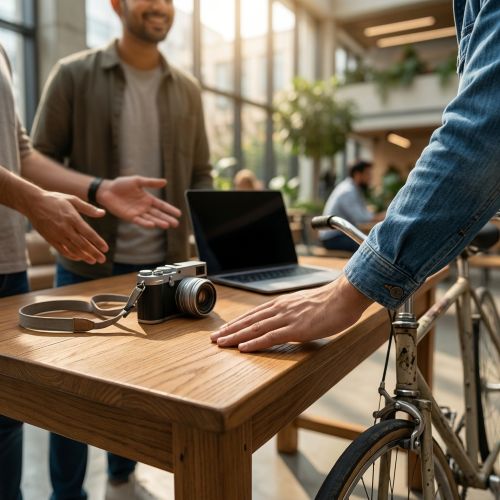
A few years ago, buying pre-owned products was often seen as a compromise.
Today, it’s a lifestyle choice.
Students buy used textbooks.
Professionals furnish homes with quality pre-owned furniture.
Fitness enthusiasts purchase gym equipment that was rarely used.
Photographers buy premium cameras for a fraction of the original price.
Parents choose second-hand bicycles, toys, and baby gear because children outgrow them so quickly.
The goal isn’t simply to spend less.
It’s to spend wisely.
A Good Deal Isn’t Just About Price
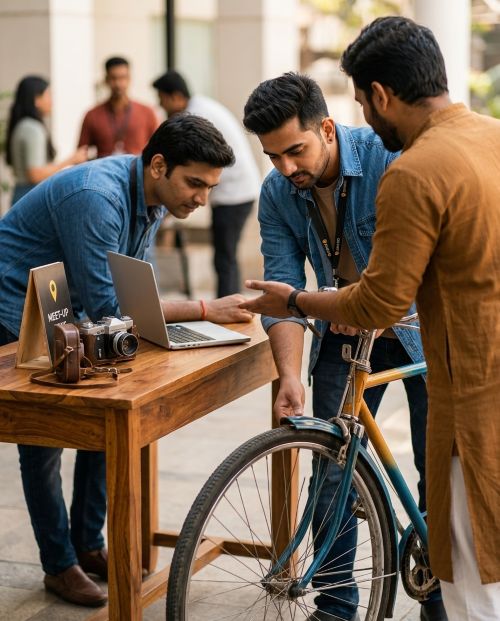
Many buyers make one mistake.
They look at the price first.
Instead, ask yourself:
- Is the product in good condition?
- How old is it?
- Has it been well maintained?
- Would I buy this if it were 10% more expensive?
- Can I use it for years?
Sometimes paying a little more for a well-maintained product saves far more than buying the cheapest option.
Step 1: Research Before You Meet
Before contacting a seller, spend a few minutes learning about the product.
Check:
- Original retail price
- Average resale price
- Common issues
- Spare parts availability
- Warranty status (if transferable)
Knowing the market value helps you recognise a genuine bargain.
Step 2: Read the Description Carefully
A detailed listing usually reflects a careful seller.
Look for descriptions that include:
- Age of the product
- Condition
- Reason for selling
- Included accessories
- Honest mention of scratches or repairs
If every listing simply says “Good condition,” ask more questions.
Step 3: Ask the Right Questions
Instead of asking,
“Is it good?”
Try asking:
- How long have you owned it?
- How often was it used?
- Has it ever been repaired?
- Are all accessories included?
- Is the original invoice available?
- Are there any defects I should know about?
The answers often tell you as much about the seller as the product.
Step 4: Inspect Before Paying
Whenever possible, inspect the product in person.
For electronics:
- Test every button.
- Check the screen.
- Test speakers and cameras.
- Verify charging.
For furniture:
- Check joints.
- Look underneath.
- Test stability.
- Look for water damage.
For bicycles:
- Test brakes.
- Check tyres.
- Inspect the frame.
- Ride it briefly.
Small details can reveal how well the product was cared for.
Step 5: Don’t Ignore Cosmetic Damage
Scratches aren’t always a problem.
Structural damage is.
A phone with a few scratches may work perfectly.
A cracked frame or water damage is a different story.
Separate appearance from functionality.
Step 6: Think About Future Value
Smart buyers don’t just think about today’s price.
They think about resale value.
Products that hold value well include:
- Quality furniture
- Premium watches
- Cameras
- Musical instruments
- Bicycles
- Books
- Fitness equipment
Buying products that retain value means you may recover part of your investment later.
Step 7: Meet in a Safe Place
Choose a public location whenever possible.
Take your time inspecting the product.
Avoid feeling pressured into making a quick decision.
A trustworthy seller won’t mind giving you a few minutes to check everything properly.
Step 8: Compare Before Deciding
Don’t buy the first listing you see.
Compare several similar products.
Notice differences in:
- Price
- Condition
- Accessories
- Age
- Location
Sometimes waiting one extra day leads to a much better deal.
Step 9: Trust Your Instincts
If something feels rushed, inconsistent, or unclear, pause.
Ask more questions.
A great deal should make you feel confident—not uncomfortable.
Categories Where Buying Second-Hand Makes Great Financial Sense
📱 Electronics
Phones
Laptops
Tablets
Monitors
Cameras
Headphones
Gaming consoles
🏠 Home
Furniture
Bookshelves
Dining tables
Office chairs
Storage units
Home décor
📚 Books
Novels
Textbooks
Competitive exam books
Children’s books
🚴 Sports & Fitness
Bicycles
Treadmills
Weights
Yoga equipment
Camping gear
🎵 Hobbies
Musical instruments
Board games
Photography equipment
Art supplies
Collectibles
Common Mistakes Buyers Make
Buying only because it’s cheap.
Ignoring product condition.
Not testing electronics.
Skipping questions.
Meeting in unsafe places.
Failing to compare prices.
Buying emotionally instead of logically.
Why Buying Second-Hand Is Becoming Smarter
The second-hand economy isn’t growing because people can’t afford new products.
It’s growing because more people understand value.
A quality pre-owned desk can last another ten years.
A camera can continue capturing memories.
Books continue educating new readers.
Furniture continues serving new families.
Giving products another life is good for your finances and helps reduce unnecessary waste.
Buying and Selling Go Hand in Hand
One day you’re the buyer.
The next day you’re the seller.
That’s why it’s worth taking good care of the things you own.
Products that are well maintained, cleaned regularly, and stored carefully usually hold their value much better.
Buying thoughtfully today often means selling successfully tomorrow.
ZiHERO Makes Local Buying Simpler
Whether you’re looking for furniture, books, electronics, bicycles, watches, or home décor, local marketplaces make it easier to inspect products before purchasing and connect directly with nearby sellers.
ZiHERO encourages buyers and sellers to meet locally, helping people shop more confidently while giving quality products a second life.
Final Thoughts
The best deal isn’t always the lowest price.
It’s the product that gives you the greatest value over time.
Buying second-hand isn’t about settling for less.
It’s about spending with intention.
When you research carefully, inspect thoroughly, and think long-term, every purchase becomes an investment in smarter living—not just another expense.
Frequently Asked Questions (FAQs)
Is buying second-hand safe?
Yes, when you inspect the product carefully, ask questions, and meet the seller in a safe public place.
What products are best to buy second-hand?
Furniture, books, bicycles, cameras, electronics, musical instruments, sports equipment, and home décor are often excellent second-hand purchases.
How do I know if a used product is worth the price?
Compare similar listings, check the item’s condition, age, accessories, and original retail price before deciding.
Should I negotiate when buying second-hand?
Yes. Polite negotiation is common, especially if you have noticed wear, missing accessories, or comparable products at lower prices.
What should I check before buying a used phone?
Battery health, screen condition, cameras, speakers, charging port, storage, and overall functionality.
Is second-hand shopping good for the environment?
Yes. Reusing products extends their lifespan, reduces landfill waste, and supports a circular economy.
Where can I buy quality second-hand products?
Trusted local marketplaces like ZiHERO allow buyers to connect directly with nearby sellers and inspect products before purchasing.
Why is buying second-hand becoming more popular?
People are looking for better value, affordable prices, sustainable shopping habits, and quality products without paying full retail prices.
For years, buying something new was seen as a sign of success. Today, success looks different. It’s about making smarter choices, getting better value, and making your money work harder.
Every pre-owned product has a story. A bookshelf that helped someone through college can inspire another student. A bicycle that once carried a child to school can bring joy to another family. A camera that captured one person’s memories can capture countless more.
Buying second-hand isn’t about settling for less—it’s about recognizing that quality, value, and usefulness don’t disappear just because something has had one owner before.
The next time you’re planning a purchase, don’t just ask, “Should I buy it new?“
Ask yourself, “Could I buy it smarter?”
You might save money, reduce waste, and discover that some of the best things in life don’t have to come straight from a factory—they just need a new beginning.